
How to Rent Out Your House in Tampa Bay, FL
Key Takeaways
- Start by defining your rental goals so your pricing, lease terms, and management approach stay aligned.
- Prepare your Tampa Bay property for heat, humidity, and storms to protect its condition and appeal to renters.
- Use local market data to set rent strategically and attract qualified tenants while maintaining strong returns.
- Learn Florida landlord-tenant laws early to handle deposits, maintenance, and leasing with confidence and clarity.
- Build a consistent leasing and management process to keep your rental organized and running efficiently.
Tampa Bay is a strong rental market, and homeowners who want to turn an unused property into a reliable income source should consider renting out their home. With steady population growth, a stable job market, and year-round appeal, the Tampa Bay area continues to attract renters looking for both short- and long-term housing.
Still, renting a home successfully involves making the right decisions at each stage, from preparing the property to understanding Florida landlord-tenant laws and managing tenant relationships. This guide from MRA Property Managment walks through the process in a practical, step-by-step flow so you can create a rental that runs smoothly.
Step 1: Start With the End Goal in Mind
Before doing anything else, define what success looks like for your rental. Some property owners prioritize steady monthly income, while others are focused on long-term appreciation or keeping the home as a future residence.
This decision influences everything that follows, including how you price the home, what type of lease you offer, and how involved you plan to be in managing the property. A clear goal helps guide your decisions and keeps your rental strategy consistent.
It is also important to evaluate whether your property can support itself financially. Rental income should be able to cover recurring costs such as mortgage payments, property taxes, insurance, and maintenance. Planning for vacancies and unexpected repairs adds another layer of protection.
Step 2: Get the Property Ready for Florida Conditions
Florida has unique environmental conditions that affect rental properties. Heat, humidity, and storms can all impact how a home performs over time. Preparing your Tampa Bay property with these factors in mind helps prevent future issues.
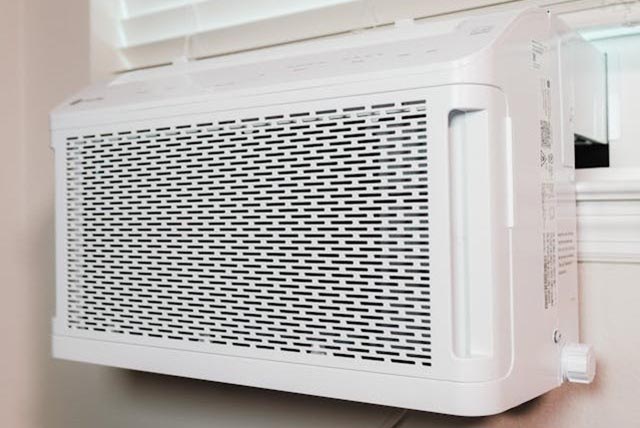
Make sure essential systems such as air conditioning, plumbing, and electrical components are working properly. In this region, a reliable HVAC system is essential. Check for signs of water intrusion, roof wear, or mold risks, as these can become larger problems if ignored.
Cleanliness and presentation also play a key role. A well-maintained home signals professionalism and attracts renters who are more likely to take care of the property.
Step 3: Approach Pricing as a Strategy, Not a Guess
Setting rent is not just about picking a number. It is about understanding how your property fits into the Tampa Bay rental market. Look at similar homes in your area and evaluate how your property compares in terms of size, condition, and location. Consider what renters in the area are looking for, whether that is proximity to beaches, employment centers, or amenities.
Pricing too high can result in longer vacancy, while pricing too low may reduce your returns. A well-thought-out pricing strategy helps you attract tenants quickly while maintaining profitability.
Get Help Pricing Your Rental
Step 4: Understand State Laws Before Leasing
Florida laws establish how rental relationships must be handled. These rules cover everything from security deposits to maintenance responsibilities and eviction procedures. Knowing them before leasing your property is essential.

Here are some of the key legal points every landlord in Florida should understand:
- Security Deposits: Florida does not limit the amount landlords can charge. After move-out, deposits must be returned within 15 days if no deductions are made, or within 30 days with written notice of any claims.
- Lease Agreements: Written leases are strongly recommended. The agreement should clearly outline rent terms, responsibilities, and conditions for termination. Clear documentation helps prevent disputes.
- Maintenance Responsibilities: Landlords must comply with building and housing codes and maintain the property in a habitable condition. This includes keeping structural components and essential systems in working order.
- Tenant Repair Requests: If tenants notify landlords of issues affecting habitability, landlords must address them within a reasonable timeframe. Failure to do so can give tenants legal remedies.
- Entry Notice: Florida law requires landlords to provide at least 12 hours’ notice before entering the property, unless there is an emergency.
- Eviction Process: For nonpayment of rent, landlords must provide a 3-day notice before filing for eviction. The process must go through the court system, and proper documentation is required.
- Fair Housing Compliance: Landlords must follow federal fair housing laws, ensuring that all applicants are treated equally and without discrimination.
Understanding these laws helps you avoid costly mistakes and maintain a compliant rental operation.
Step 5: Build a Leasing Process That Works
Leasing your property is more than just finding a tenant. It is about creating a structured process that ensures consistency and reduces risk. Start by presenting the property clearly through strong listings and accurate descriptions. Respond to inquiries promptly and schedule showings efficiently.

When applications come in, focus on screening. Reviewing income, rental history, and reliability helps you choose tenants who are more likely to meet lease obligations. Consistency in screening is essential to stay compliant with fair housing laws. A structured leasing process helps you attract tenants and avoid unnecessary complications.
Step 6: Plan for Ongoing Property Oversight
Once the lease is signed, the focus shifts to managing the property day-to-day. Rent collection, maintenance coordination, and communication all require attention. Establishing clear systems makes these tasks easier to handle. Knowing how maintenance requests will be addressed and how payments will be tracked helps keep everything organized.
It is also important to stay informed about changes in Florida rental laws. Regulations can evolve, and landlords are expected to remain compliant. Without a system, managing a rental can become reactive instead of controlled.
Simplify Your Rental Management
The Advantage of Professional Property Management
Handling every aspect of a rental property can be time-consuming, especially if you have other responsibilities. This is where professional property management becomes valuable.
Professional property management companies like MRA Property Management provide full-service support throughout the rental process. This includes analyzing the market to set the right rental price, marketing the property to reduce vacancy, and screening tenants using consistent criteria.

We also perform lease prep, rent collection, and maintenance coordination. When legal issues arise, such as notices or evictions, we follow Florida requirements to ensure everything is handled properly. With structured systems and local expertise, property management helps reduce stress while improving efficiency.
Learn Who You’re Working With
Why Legal Knowledge Is Critical for Long-Term Success
Florida’s laws are detailed and must be followed closely. Errors in handling deposits, maintenance requests, or eviction procedures can lead to delays or financial loss. Staying informed about these laws helps you maintain control over your rental and avoid disputes.
The Bottom Line
Renting out your home in Tampa Bay, FL, can be a reliable way to generate income and build long-term value. Success depends on preparation, pricing, and a clear understanding of Florida landlord-tenant laws.
Managing a rental property requires time, organization, and attention to detail. For homeowners who want a more streamlined approach, partnering with MRA Property Management offers a practical solution. With professional support, you can protect your investment, stay compliant, and keep your rental operating efficiently.
Turn Your Property Into a Reliable Income Source