
5 Costly Mistakes Sarasota Landlords Make That Hurt Rental Profits
At MRA Property Management, we know many of the biggest rental property losses Sarasota landlords face do not come from one major mistake. They usually come from a series of smaller decisions that slowly chip away at profit over time. A property that looked like a great deal ends up needing more repairs than expected.
A rushed tenant placement creates months of stress. A small maintenance issue turns into a much bigger expense because it was not handled early. For landlords and real estate investors, long-term success often comes down to avoiding these common problems and putting the right systems in place from the start.
Buying the Wrong Sarasota Investment Property Can Hurt Returns Before Leasing Even Starts
One of the most expensive mistakes landlords make happens before a tenant is ever placed. A property can look like a strong deal on paper, but once the real costs start showing up, the numbers often change.
A lower purchase price does not always mean a better investment. If the home needs more repairs than expected, takes longer to renovate, or sits in an area with weaker rental demand, the return can shrink quickly.
Before moving forward with renting an investment property, landlords should focus on three basics:
- Location
- Property condition
- Realistic repair costs
Rental demand in the Sarasota area matters. The condition of the home matters. The real cost of getting the property rent-ready matters. Investors who do the most homework upfront are often the ones who protect their returns best later on.
For owners looking at acquisition strategy, buying investment property in Tampa Bay is one part of the bigger picture. The real question is whether the property will perform well once all the actual costs are factored in.
Skipping Tenant Screening Often Leads to Bigger Problems Later
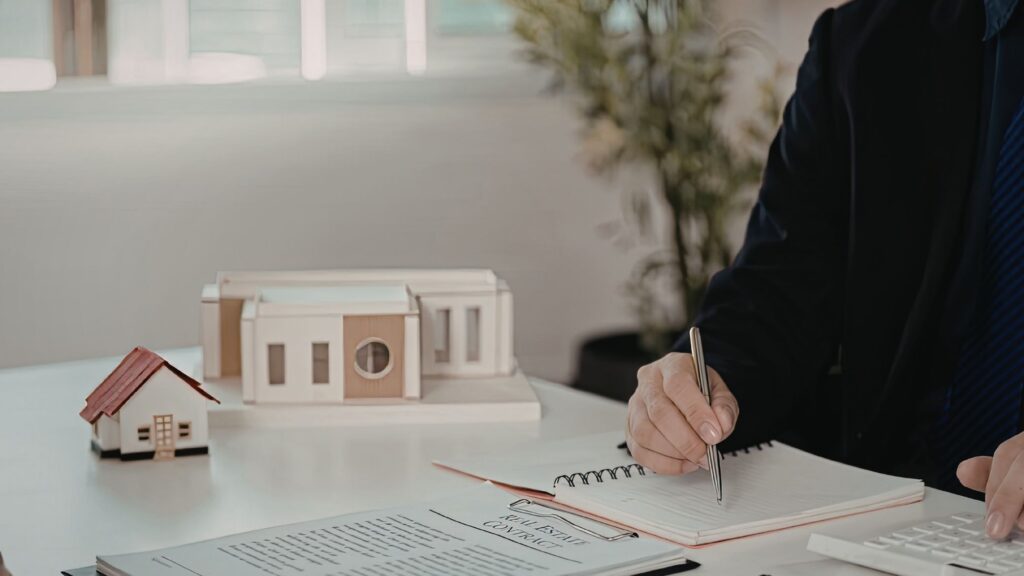
Vacancy puts pressure on landlords. When a property is sitting empty, it is easy to feel like speed matters most. That is usually when screening mistakes happen.
Approving an applicant too quickly can lead to late payments, lease violations, property damage, and avoidable conflict. Once the wrong tenant is in place, solving the problem is usually expensive, time-consuming, and stressful.
Proper screening is not about being overly strict. It is about protecting the property and making better placement decisions. A strong process usually includes:
- Verifying income
- Running credit checks
- Reviewing rental history
- Speaking with previous landlords
A few extra days of due diligence can save months of frustration later. The right tenant does more than pay rent on time. They help protect the condition of the home and reduce unnecessary turnover.
It also helps to apply screening criteria consistently and within fair housing rules. Fair housing standards for rental housing are worth reviewing whenever a landlord is building or refining a screening process.
Regular Property Inspections Help Prevent Expensive Surprises

Another common mistake is going too quiet after move-in. Even when a tenant seems reliable, that does not mean a landlord should disappear for the rest of the lease.
Inspections are one of the simplest ways to protect a rental property. Move-in and move-out inspections are essential, but mid-lease inspections also matter. They help catch damage early, identify maintenance concerns, and create better documentation of the property’s condition.
Without regular inspections, small issues can build for months before anyone notices. By the time the problem is discovered, repairs are often more expensive and more difficult to manage.
Routine inspections are not about micromanaging tenants. They are about protecting the asset. Clear documentation and regular check-ins can prevent costly surprises and make turnover easier when the lease eventually ends.
For landlords managing inspections, notices, and lease responsibilities, Florida landlord laws can also affect how these processes should be handled.
Delaying Maintenance Repairs Usually Increases the Final Cost
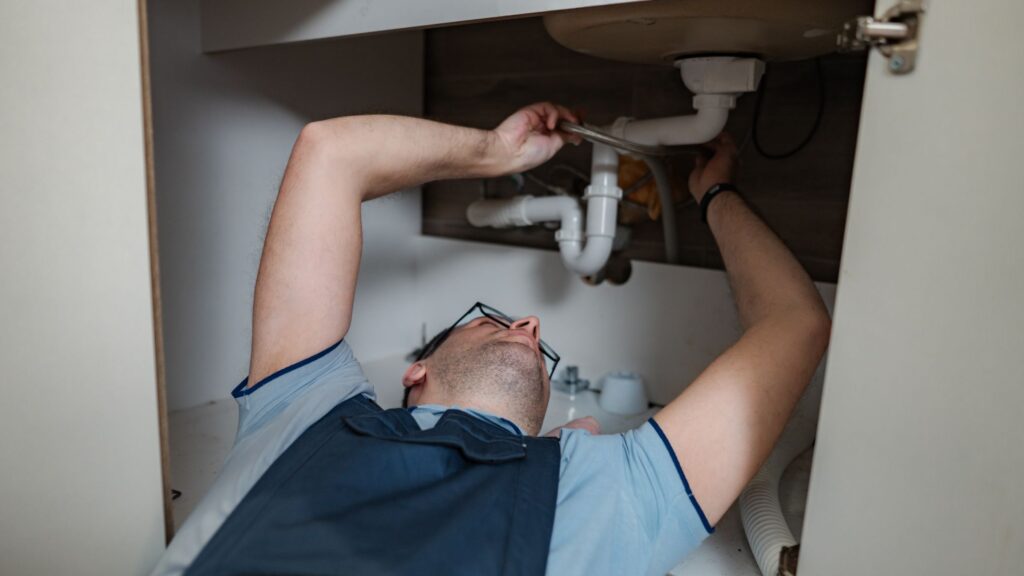
In Sarasota, heat, humidity, and moisture can make small maintenance issues more expensive if they are left unresolved. Small maintenance problems rarely stay small. A minor leak, a dripping faucet, or early signs of moisture can look manageable at first, but delayed repairs often create much larger issues.
What starts as a small plumbing issue can turn into water damage, mold, or a more expensive repair job later. The longer a repair waits, the more likely it is to affect both the condition of the property and the tenant’s experience.
Landlords who perform well over time tend to treat maintenance as part of protecting the investment, not as a task to postpone. Quick action helps in two ways:
- It keeps repair costs from escalating
- It shows tenants that the property is being managed responsibly
That second point matters more than many owners realize. When tenants feel ignored, they are more likely to leave. Good maintenance habits can support better retention and lower turnover over time.
Moisture-related issues deserve particular attention. Mold and moisture prevention basics are useful because water problems tend to get worse quickly if they are not addressed early.
Mishandling Turnover Can Disrupt Cash Flow
For Sarasota landlords, tenant turnover is one of the most important stages in property management. If the property sits vacant for weeks while the owner gets organized, that lost rental income is gone for good.
The most successful landlords do not handle turnover reactively. They use a system. As soon as notice is received, the next steps should already be underway, including inspections, vendor coordination, marketing, and relisting preparation.
Speed matters, but turnover is not only about speed. Documentation matters too. Move-out inspections should be clear and detailed. Property condition should be recorded carefully. Deadlines should be followed closely.
This becomes especially important when handling the security deposit. In Florida, those timelines matter. Missing them can create disputes and unnecessary financial exposure. Florida security deposit requirements are worth understanding before turnover begins, not after a problem shows up.
Landlords who stay organized during turnover protect more than just compliance. They protect occupancy, reduce downtime, and keep revenue more consistent.
Key Takeaways
- A property that looks like a deal can become expensive if research is weak
- Tenant screening is one of the most important steps in protecting a rental
- Routine inspections help catch damage and maintenance issues early
- Delayed repairs often lead to larger costs and tenant frustration
- Turnover should follow a clear system, not a last-minute scramble
- Security deposit handling needs to follow Florida timelines carefully
Final Thoughts
At the end of the day, strong rental performance is not just about collecting rent. It is about making smart decisions before problems grow into expensive setbacks. At MRA Property Management, the focus is on helping Sarasota landlords protect their properties…”, reduce avoidable costs, and keep income more consistent over time. When owners stay proactive with buying decisions, tenant screening, inspections, maintenance, and turnover, they put themselves in a much better position to protect both their property and their returns.